
What My DNA Got Wrong About My Fitness Potential
According to my genetics, I wasn’t built to be strong.
Or fast.
Or coordinated.
Or naturally athletic.
At least, that’s what my gene trait results would suggest.
“Unlikely to get stronger easily.”
“Less speedy when playing sports.”
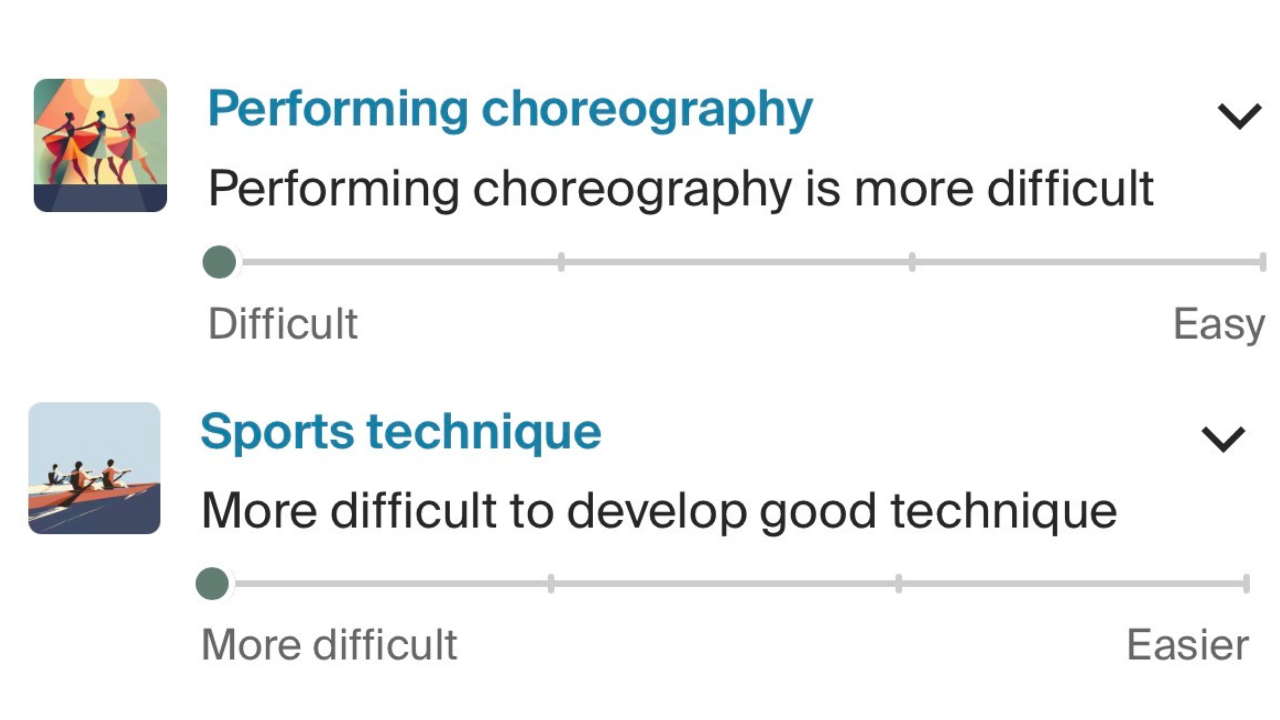
“More difficulty performing choreography.”
“Less naturally strong.”
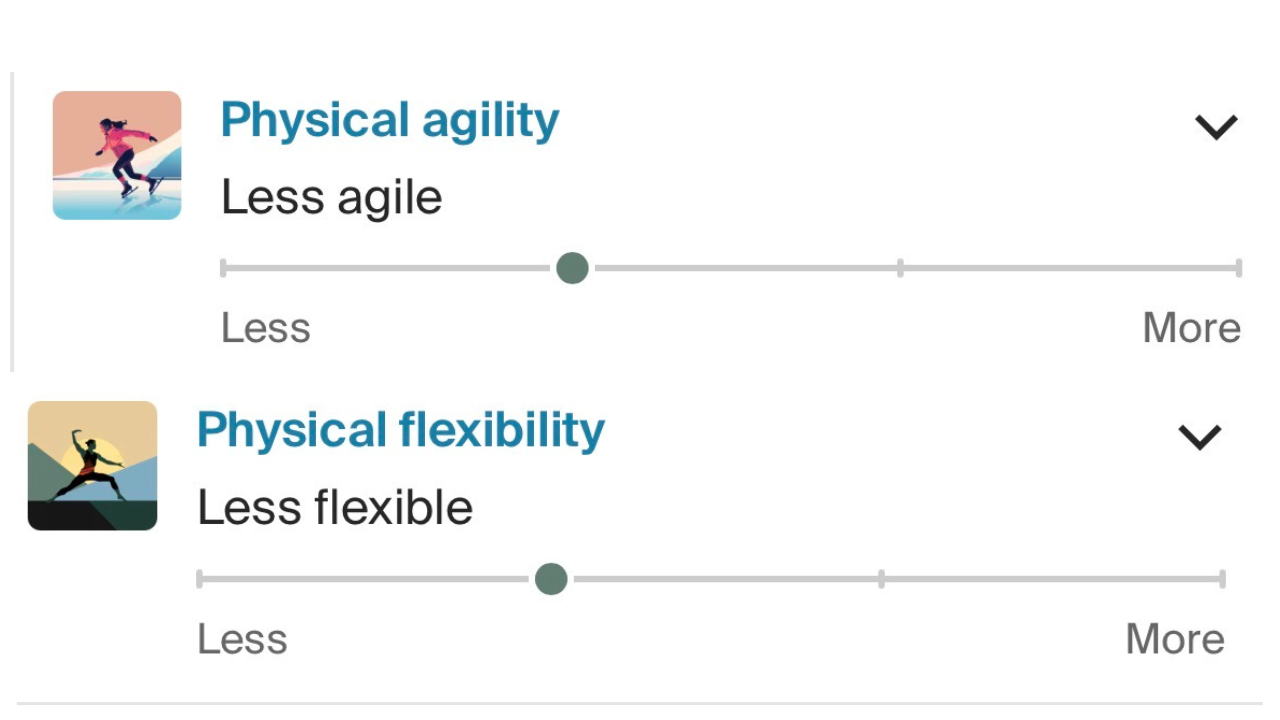
“Less agile.”
“Less flexible.”
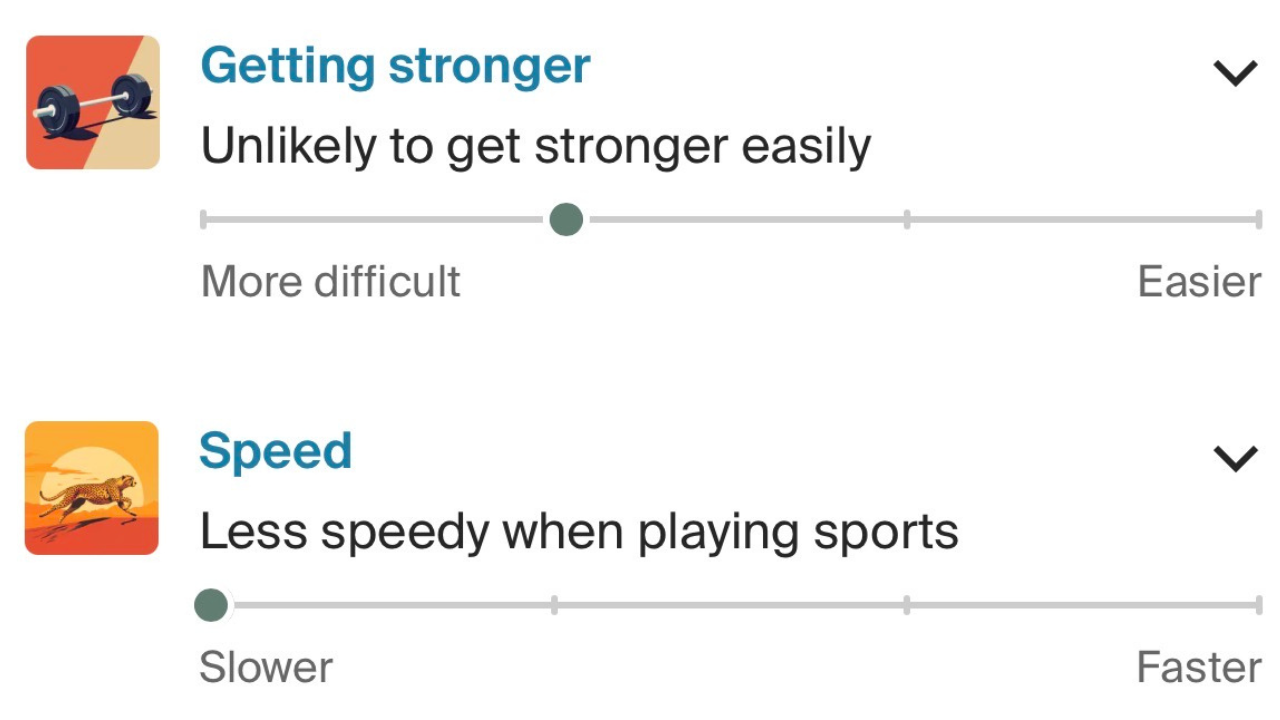
A few of my Ancestry.com genetic results.
If I had seen those results 10 years ago, I would have said, “See? I knew it.”
Because for most of my life, I believed my body just wasn’t built for fitness.
And being adopted made that belief even easier to hold onto.
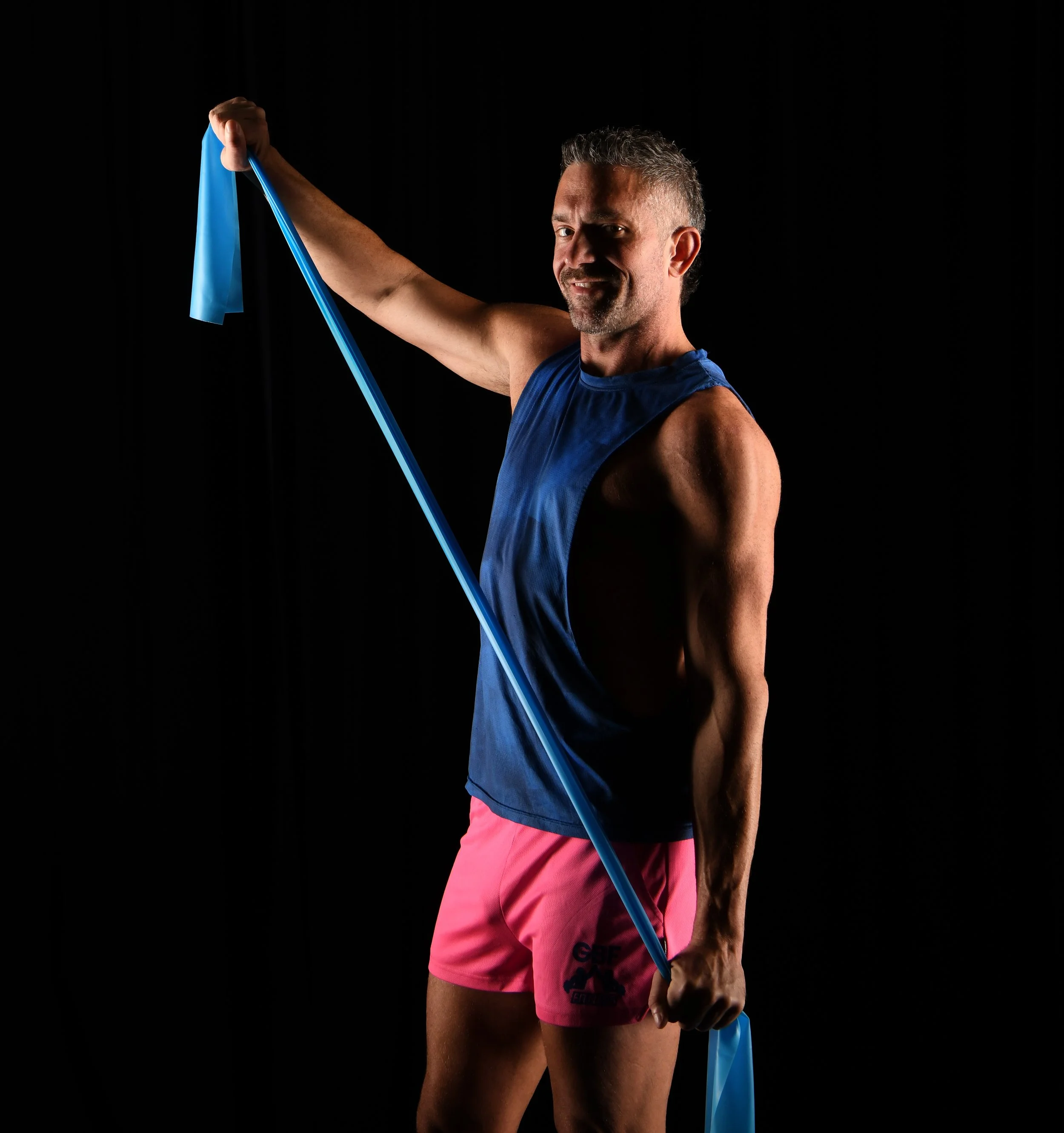
I’ve come far, not because of my genetics, but despite them.
The Perfect Excuse: Unknown Genetics
I was adopted at birth, which meant my genetic background was always a mystery.
So whenever I struggled physically — when I felt bigger than my peers, slower in sports, awkward in movement — it was easy to shrug and say:
“Must be my genes.”
I didn’t know what I was working with.
So I assumed I was working against something.
I struggled in team sports growing up. And instead of being supported through the struggle, I was often pulled out after a season and placed into something new — which I also struggled with.
Over time, the pattern reinforced itself:
Try.
Struggle.
Quit.
Repeat.
Eventually, I stopped seeing it as a skill issue.
I saw it as a genetic flaw.
“I’m just not built for this.”
And when you believe that?
You stop trying.
What Genetics Actually Mean (And What They Don’t)
Here’s what I understand now that I didn’t understand then:
Most fitness-related traits are polygenic — meaning they’re influenced by many genes, not one “strength gene” or “athletic gene.”
Genetics can influence how easily you build muscle, how quickly you gain speed, or how naturally coordinated you feel.
But influence is not the same as destiny.
Research consistently shows that:
Progressive resistance training increases muscle strength in nearly everyone who follows a structured program.
Neural adaptations (how efficiently your brain communicates with your muscles) improve with practice and repetition.
Coordination improves through motor learning — the more you practice movement patterns, the better your brain maps them.
Even gene expression itself is influenced by behavior — a concept known as epigenetics.
Your genes might influence your starting point.
But your environment, habits, and effort influence your trajectory.
Predisposition affects ease — not possibility.
My lack of coordination and technique wasn’t a curse I was helpless over, but a challenge to overcome.
The Results That Should Have Discouraged Me
When I saw that my results said I was unlikely to get stronger easily, it almost made me laugh.
Because I’ve spent the last few years doing exactly that.
Building strength.
Increasing muscle mass.
Improving my lifts.
My results also said performing choreography would likely be more difficult for me.
And yet recently, during a photo shoot, I was following cues like:
“Turn your body right and place your right hand over your left knee.”
A few years ago, that would have felt confusing and overwhelming.
Instead, I felt connected. Present. Capable.
Does that mean my genetics were wrong?
No.
It means I stopped using them as an explanation for staying stuck.

The photo shoot where it all ‘clicked’.
Excuses You May Tell Yourself
If you tell yourself:
“I’m just not built for this.”
“I don’t have the genetics.”
“I’m not athletic.”
“I can’t build muscle.”
I want you to gently ask yourself:
Is that biology talking…
or is that fear?
Sometimes “bad genetics” is a story we use to protect ourselves from the discomfort of effort.
Or the discomfort of being a beginner.
Or the vulnerability of trying and failing.
I know it was for me.
What I Believe Now
Genetics matter — just less than most people think.
They might give someone an edge.
They might make certain things feel harder at first.
But they do not define your ceiling.
I am living proof that someone who once believed they weren’t built to be strong, fast, coordinated, or capable can become all of those things through consistent training and mindset work.
Not because my DNA changed.
But because my behavior did.

Despite my genetics, I placed in the Top 10% of my Spartan race last year.
Your Starting Line Is Not Your Finish Line
You don’t need elite genetics to:
Build strength
Improve coordination
Increase speed
Feel capable in your body
You need:
Progressive stimulus
Repetition
Patience
And a willingness to challenge the story you’ve been telling yourself
If I had continued blaming unknown genes, I would have stayed stuck.
Instead, I chose to test the theory.
And my body responded.
Maybe yours will too.
If you’ve been feeling helpless about your health or fitness because of your genetics, I want you to know this:
You are not powerless.
Your genes may influence your starting line —
but they do not get to decide how far you go.
And if you’re ready to stop outsourcing responsibility to biology and start building evidence in your favor, I’d love to help.
Let’s see what your body is actually capable of.

You’ll never know how far you can go until you try.
