
When Fitness Isn’t Enough: Understanding Body Dysmorphia, Body Image, and the Missing Piece
Two years ago, I wish someone had told me this:
No matter how hard you work out or how “clean” you eat, the way you feel about your body won’t fully improve unless you’re also working on your mental health and the issues surrounding your body image.
I believed that if I just lost enough weight, built enough muscle, or followed the plan perfectly, confidence would finally click into place. And while my body changed dramatically, my relationship with it didn’t always keep pace.
That disconnect is something I still navigate — and it’s something many people experience, even if they don’t talk about it.
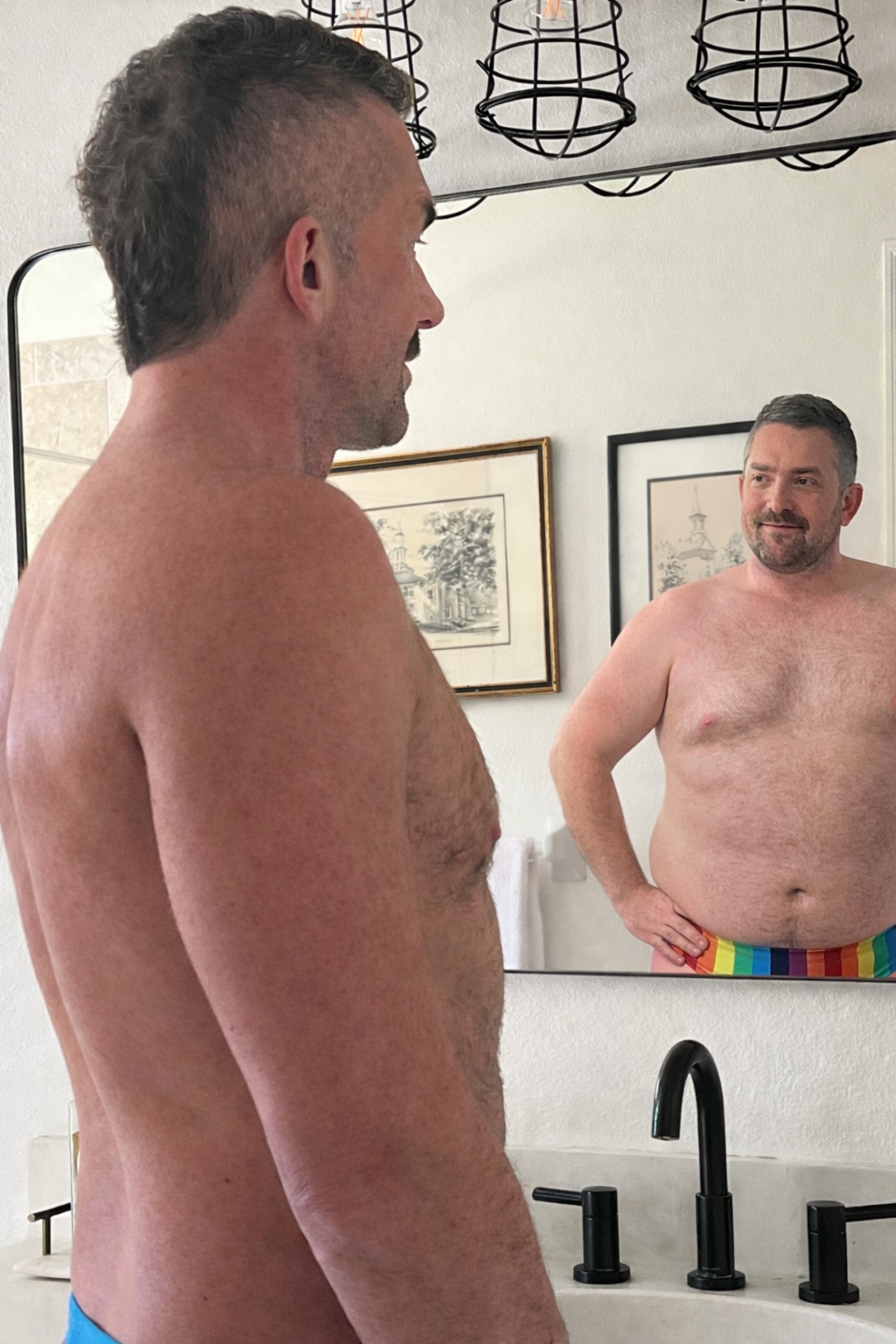
No matter how hard I try, there are still days where I see my “old self” in the mirror.
What Body Dysmorphia Actually Looks Like (And What It Doesn’t)
When people hear the term body dysmorphia, they often picture something extreme. But for many of us, it shows up in quieter, more confusing ways.
For me, it looks like this:
Seeing “love handles” even when others don’t
Knowing I have visible abs in photos, but seeing softness or rolls in the mirror
Feeling anxious that a few missed workouts will undo years of progress
Fixating on specific areas of my body, even as others improve
Comparing myself to fitness influencers and feeling like I’ll never quite measure up
None of this means I haven’t made progress. It means my internal body image hasn’t always caught up with my external changes.
And that’s far more common than people realize.
Why Physical Change Alone Doesn’t Fix Body Image
Fitness culture often sells the idea that confidence is a reward you earn through discipline. That if you just work hard enough, your self-talk will magically improve.
But body image doesn’t live in your muscles — it lives in your nervous system, your history, and the stories you learned about your body long before you ever touched a dumbbell.
For many of us, especially those who grew up feeling “too big,” “not athletic,” or “unacceptable,” those beliefs don’t disappear just because the scale changes. The brain keeps scanning for threat, for regression, for proof that we’re slipping back into old versions of ourselves.
That’s not weakness. That’s conditioning.
Even “Fit” People Struggle — And That Matters
This is the part I want people to hear most:
You can be strong, disciplined, knowledgeable, and nutritionally aware — and still have moments of insecurity, distorted perception, or self-doubt.
Struggling with body image does not mean:
you’re ungrateful
you’re failing
you haven’t worked hard enough
It means you’re human.
And it means your body deserves care beyond just training and macros.
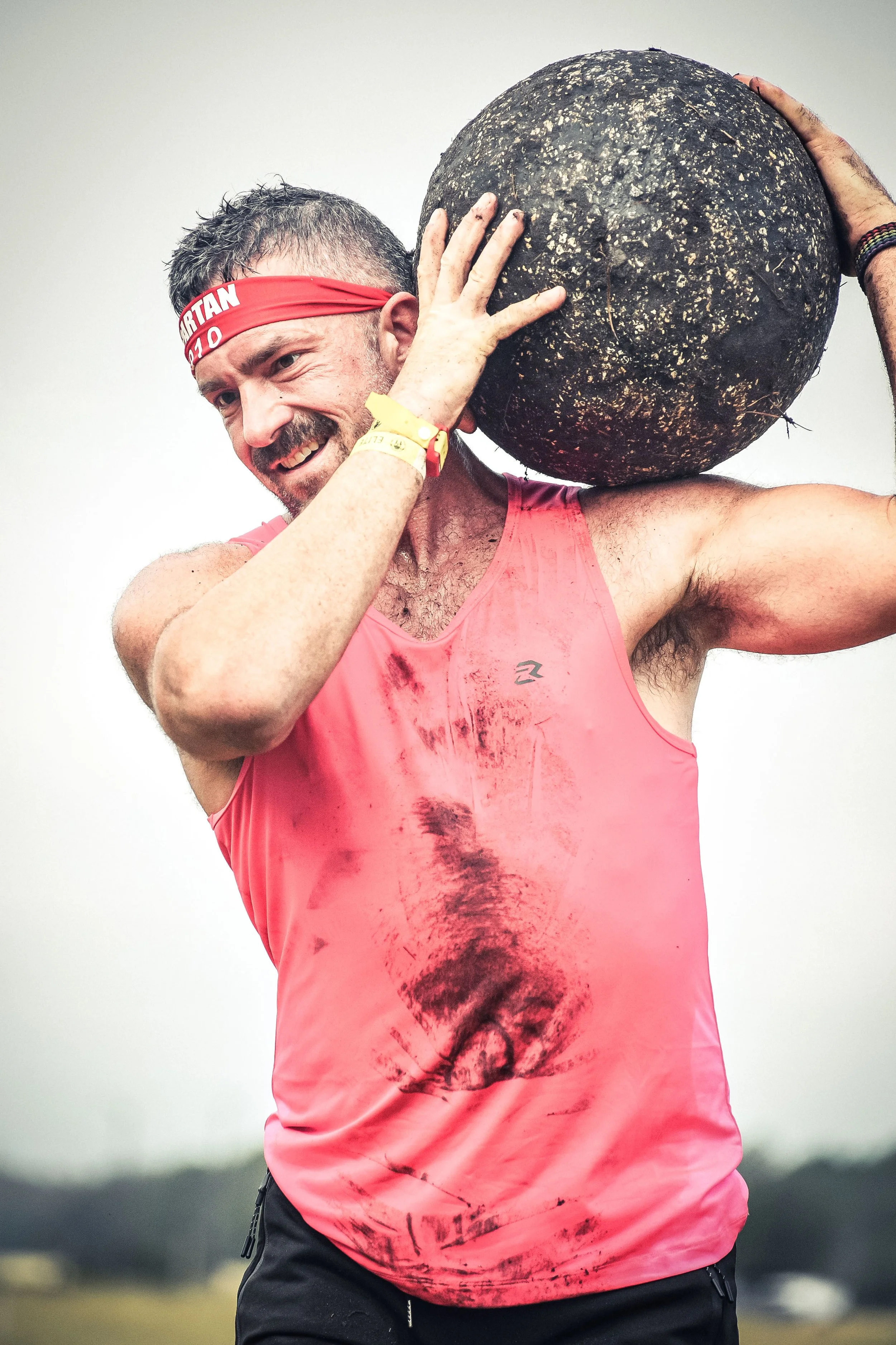
No matter how much I’ve worked on my body and prove to myself that I’m strong, I’m only as good as my mental health.
What Actually Helped Me (Beyond the Gym)
My relationship with my body didn’t begin to shift until I treated mental health as essential — not optional.
For me, that looked like:
Therapy and life coaching to unpack shame and fear
Learning to recognize when comparison was flaring things up
Using data (photos, measurements, strength progress) as grounding tools — not weapons
Practicing honesty instead of perfection
Building routines that supported regulation, not punishment
Fitness helped my body change.
Mental health work helped my perception change.
Both were necessary.
If This Sounds Like You, You’re Not Broken
If you’ve ever looked in the mirror and felt confused by what you see…
If progress still doesn’t feel like “enough”…
If confidence comes and goes instead of sticking…
You’re not alone — and you’re not doing this wrong.
Body image is not a destination you arrive at once. It’s a relationship you maintain. Some days feel solid. Some days feel shaky. That doesn’t erase the work you’ve done.
The Takeaway I Wish I’d Known Sooner
You don’t need to hate your body to work on it.
You don’t need to love your body every day to respect it.
And you don’t need to “fix” your body to deserve compassion.
True confidence comes from caring for both your physical body and the mind that lives inside it.
If you’re on a fitness journey and struggling with how you see yourself along the way, please know this: the struggle doesn’t disqualify you — it simply means there’s more support available to you than just another workout plan.
And that’s not failure.
That’s growth.
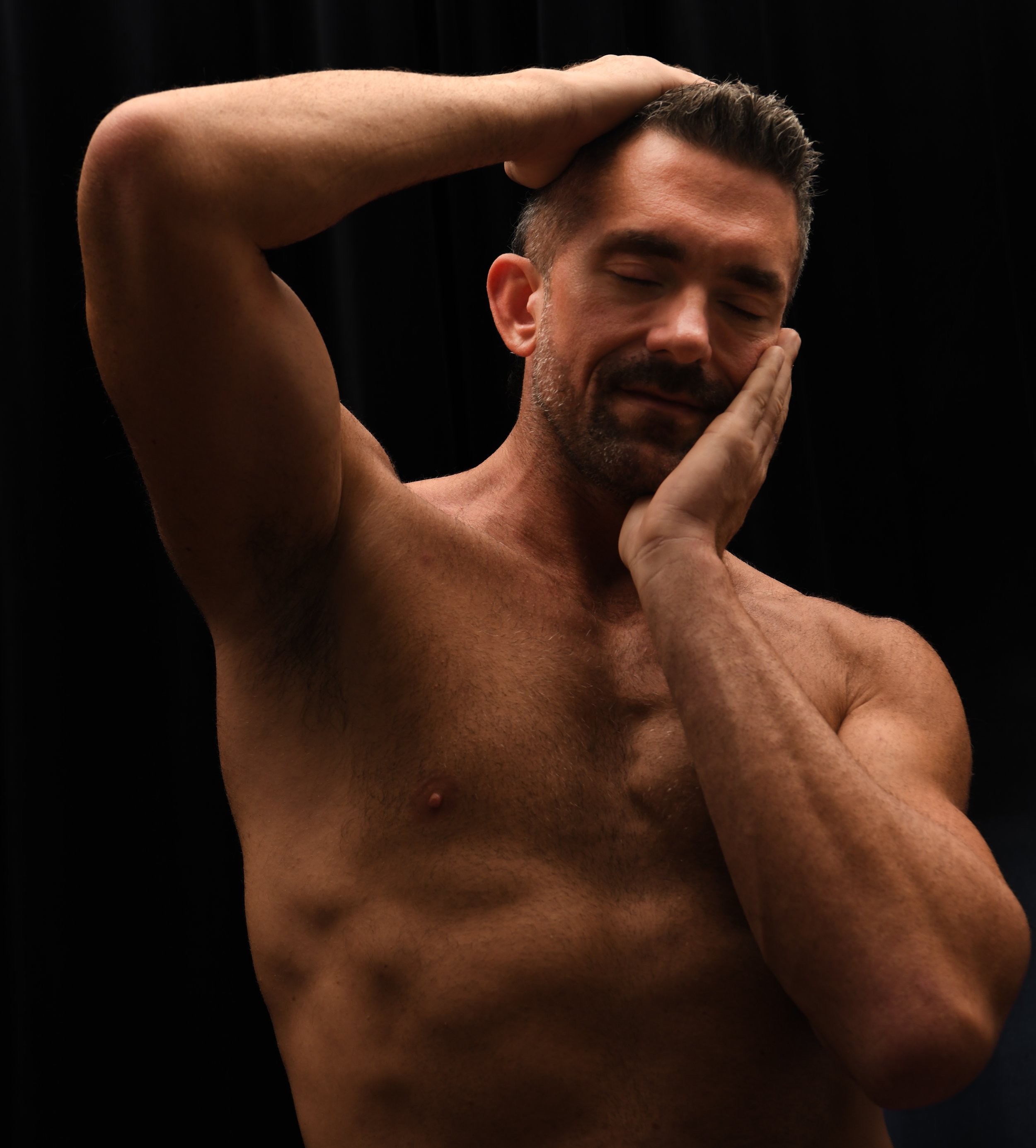
Learning to love myself is challenging, but I’m getting closer each and every day.
